Store
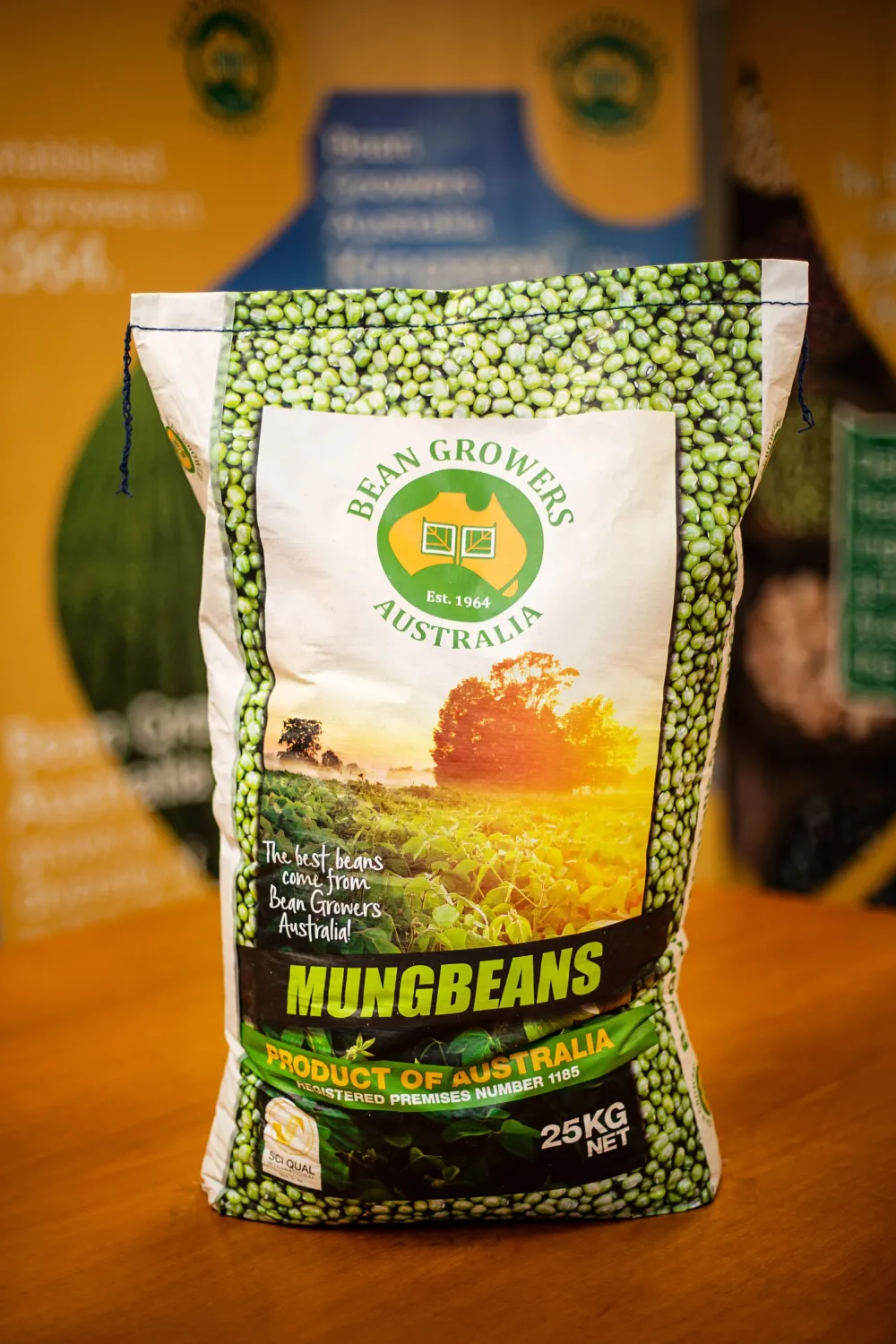
Mung Beans - 25 kg
Protein-Rich Green Mung Beans for Racing Pigeons, Parrots & Aviary Birds
Add variety to your birds' feeding program with Whole Green Mung Beans, a naturally protein-rich legume popular with pigeon breeders, racing pigeon enthusiasts and parrot owners.
Mung beans ( Vigna radiata ) provide plant-based protein, carbohydrates, fibre and naturally occurring minerals that contribute to a balanced avian diet.
Whole mung beans can be fed dry as part of suitable pigeon grain mixtures or, when verified as suitable for germination, prepared as fresh sprouts for compatible parrots and aviary birds.
Popular during breeding and moulting periods, mung beans provide a useful supplementary source of protein to support normal growth, muscle maintenance and feather development.
Key Features & Benefits
- 100% Whole Green Mung Beans – Single-ingredient legume.
- Naturally High in Protein – Provides plant-based protein and amino acids.
- Suitable for Racing Pigeons – A useful ingredient in balanced racing pigeon grain mixtures.
- Ideal for Breeding Birds – Contributes protein to appropriately formulated breeding diets.
- Supports Normal Feather Development – Supplies nutrients required for feather growth and replacement.
- Suitable for Sprouting – Where the supplied beans are confirmed as sprouting-grade.
- Naturally Low in Fat – An alternative to higher-fat oilseeds.
- Source of Dietary Fibre – Contributes fibre to a varied diet.
- Versatile Feeding Options – Feed dry to suitable pigeons or prepare sprouts for compatible birds.
- Ideal for Custom Bird Seed Mixes – Combine with other suitable grains, seeds and legumes.
- Suitable for Bird Breeders & Aviary Owners – A versatile supplementary feeding ingredient.
Nutritional Benefits of Mung Beans
Mung beans are naturally rich in plant-based nutrients and typically contain more protein than cereal grains such as wheat and maize.
Their nutritional components include:
- Plant-based protein
- Essential and non-essential amino acids
- Complex carbohydrates
- Dietary fibre
- Iron
- Magnesium
- Potassium
- Phosphorus
- Naturally occurring B-group vitamins
Dried mung beans commonly contain approximately 20–25% protein, although actual nutritional values vary between varieties and batches.
Suitable for a Range of Birds
Depending on the species and preparation method, mung beans can be included in feeding programs for:
- Racing pigeons
- Breeding pigeons
- Show pigeons
- Cockatiels
- Budgerigars
- Lovebirds
- Conures
- Indian ringnecks
- Alexandrine parrots
- Eclectus parrots
- African grey parrots
- Macaws
- Galahs
- Cockatoos
- Selected finches and canaries
Smaller birds and parrots may find appropriately prepared, softened or sprouted mung beans easier to consume than whole dry beans.
Always follow species-specific nutritional recommendations.
Mung Beans for Racing Pigeons
Mung beans are a useful protein ingredient in racing pigeon grain mixtures.
They can be combined with energy-rich grains and other legumes to create feeding programs suited to different stages of training, racing and recovery.
Common Pigeon Feed Ingredients
- Mung beans
- Maple peas
- Dun peas
- Whole corn
- Wheat
- Sorghum
- Safflower
- White French millet
Mung beans can be included alongside traditional feed peas to provide additional dietary variety.
The correct inclusion rate depends on the nutritional balance of the complete ration.
Mung Beans for Breeding Birds
Breeding birds require adequate protein, energy, vitamins and minerals to maintain condition and support the rearing of young.
Mung beans can contribute valuable plant-based protein to a balanced breeding diet.
Adequate nutrition supports:
- Normal growth and development
- Maintenance of muscle and body condition
- Feather development
- Normal reproductive function
- Nutritional requirements during the breeding season
Mung beans are not a substitute for a complete breeding diet or appropriate calcium, vitamin and mineral supplementation.
Mung Beans for Moulting Birds
During moulting, birds require adequate protein and essential amino acids to support the development of new feathers.
Mung beans can contribute protein to a balanced moulting diet.
They are particularly useful for bird owners wishing to provide a greater variety of legumes, seeds and fresh foods alongside an appropriate formulated diet.
Sprouted Mung Beans for Parrots & Aviary Birds
Mung beans are a popular ingredient in bird sprouting mixtures.
Germination changes the nutritional characteristics of the bean and produces a softer texture that many birds enjoy.
Benefits of Sprouted Mung Beans
- Adds fresh food variety
- Provides a softer feeding texture
- Can improve the availability of certain nutrients
- Encourages natural feeding and foraging behaviour
- Provides an alternative to dry seed
- Useful in balanced breeding and moulting feeding programs
Only use beans confirmed as untreated and suitable for sprouting for animal consumption.
How to Sprout Mung Beans for Birds
- Place a small quantity of suitable mung beans in a thoroughly cleaned container.
- Rinse thoroughly with clean drinking water.
- Soak for approximately 8–12 hours, or according to the supplier's directions.
- Drain completely and rinse again.
- Transfer to a clean sprouting jar, sieve or suitable draining container.
- Rinse and drain several times daily.
- Allow the beans to germinate, typically within 24–48 hours after soaking.
- Rinse and drain thoroughly before feeding.
- Offer small quantities of freshly prepared sprouts.
- Remove uneaten sprouts promptly, particularly during warm weather.
Important Sprouting Safety
Warm, moist sprouting conditions can encourage harmful bacterial and fungal growth.
- Use clean equipment and drinking-quality water.
- Never allow beans to remain in stagnant water after soaking.
- Prepare small, fresh batches.
- Discard sprouts showing mould, slime or unpleasant odours.
- Remember that contaminated sprouts may appear normal.
- Do not use chemically treated planting seeds.
- Seek avian veterinary advice before feeding raw sprouts to sick or immunocompromised birds.
Mung Beans vs Maple Peas vs Dun Peas
| Feature | Mung Beans | Maple Peas | Dun Peas |
|---|---|---|---|
| Feed type | Legume | Field pea | Field pea |
| Typical protein | 20–25% | 20–25% | 20–25% |
| Suitable for pigeon mixes | Yes | Yes | Yes |
| Typical appearance | Small green beans | Speckled brown peas | Brown or tan peas |
| Sprouting potential | Yes, if suitable grade | Yes, if suitable grade | Yes, if suitable grade |
| Complete diet | No | No | No |
Protein figures are indicative only and may vary between suppliers and batches.
Feeding Directions
For Pigeons
Include dry mung beans as a component of a nutritionally balanced pigeon grain mixture. Adjust quantities according to activity, age, body condition and breeding requirements.
For Parrots & Aviary Birds
Offer appropriately prepared mung beans or fresh sprouts in suitable quantities alongside a species-appropriate diet.
General Feeding Recommendations
- Introduce new ingredients gradually.
- Avoid feeding mung beans as the sole food.
- Provide a balanced diet appropriate to the bird species.
- Remove stale, wet or contaminated food promptly.
- Always provide clean, fresh drinking water.
- Consult an avian veterinarian for specialised dietary requirements.
Storage Instructions
- Store dry mung beans in a cool, dry place.
- Keep in a sealed, pest-resistant container.
- Protect from moisture and direct sunlight.
- Keep away from rodents and insects.
- Inspect regularly for signs of deterioration.
- Do not feed mouldy or contaminated beans.
- Prepare sprouts in small batches and follow appropriate refrigeration and hygiene practices.
Frequently Asked Questions – Mung Beans for Birds & Pigeons
Can pigeons eat mung beans?
Yes. Whole dried mung beans are commonly used as a supplementary protein ingredient in balanced pigeon grain mixtures.
Are mung beans good for racing pigeons?
Mung beans can contribute protein and amino acids to a balanced racing pigeon diet. They are commonly combined with maize, wheat, peas and other grains.
Can parrots eat mung beans?
Yes. Appropriately prepared or sprouted mung beans can be included in the diets of many parrot species.
Can budgerigars and cockatiels eat mung beans?
Suitable sprouted or softened mung beans can be offered in small quantities as part of a balanced diet.
How much protein is in mung beans?
Dried mung beans typically contain approximately 20–25% protein, depending on the variety, moisture content and batch.
Do mung beans need to be soaked before feeding?
Pigeons capable of eating dry mung beans may consume them as part of a suitable grain mix. Soaking or sprouting is a popular preparation method for parrots and smaller aviary birds.
How long do mung beans take to sprout?
Suitable mung beans commonly begin germinating within 24–48 hours after soaking, depending on temperature, seed viability and preparation conditions.
Are mung beans suitable for breeding birds?
Yes. Mung beans contribute protein to appropriately balanced breeding diets. They do not replace complete breeding nutrition.
Are mung beans good for moulting birds?
They can contribute dietary protein and amino acids required for normal feather development when included in a balanced feeding program.
Can I mix mung beans with maple peas and dun peas?
Yes. These legumes can be combined in appropriately formulated pigeon grain mixtures.
Can birds live on mung beans alone?
No. Mung beans do not provide all the nutrients birds require and must be fed alongside other suitable foods.
Are mung beans the same as green gram?
Yes. Green gram is another common name for mung beans.
Where can I buy mung beans for birds in Australia?
Pet Essentials supplies a range of bird seeds, grains, legumes, pigeon feeds and aviary products. Visit www.petessentials.com.au for available pack sizes and pricing.
Product Specifications
Product Name: Whole Green Mung Beans
Alternative Names: Mung Beans, Green Gram, Moong Beans
Botanical Name: Vigna radiata
Product Type: Straight Bird Feed / Legume
Ingredients: 100% Whole Green Mung Beans
Form: Whole Dried Beans
Colour: Green
Typical Protein: Approximately 20–25%
Suitable For: Pigeons, compatible parrots and selected aviary birds
Primary Use: Supplementary feeding and custom bird feed mixtures
Sprouting: Subject to confirmation of seed treatment and germination suitability