Store
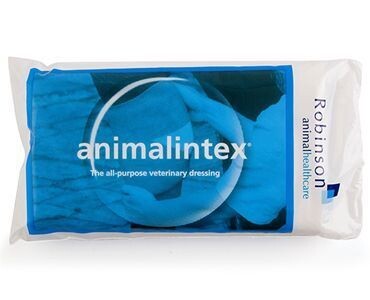
Animalintex Poultice Horse Hoof Abscess & Wound Dressing - Single
Animalintex Poultice – Single Sheet
Animalintex Poultice – Single Sheet is a versatile, medicated veterinary poultice and wound dressing designed for horses and dogs.
Manufactured by Robinson Healthcare in the United Kingdom, Animalintex combines an antiseptic ingredient, a natural poulticing agent and highly absorbent dressing materials to help manage a variety of hoof, leg and superficial wound conditions.
Animalintex can be applied in three different ways:
- Hot wet poultice – for appropriate hoof abscesses and certain wound conditions.
- Cold wet poultice – for bruising, swelling and selected soft tissue injuries.
- Dry dressing – for absorbing wound discharge, cushioning and protecting affected areas.
The convenient single sheet can be cut to size, making Animalintex an essential addition to horse first aid kits, stable supplies and equine wound-care equipment.
Key Benefits
- Three applications in one dressing – hot, cold or dry
- Contains boric acid with antiseptic properties
- Contains tragacanth, a natural poulticing agent
- Helps absorb wound discharge and moisture
- Provides cushioning and protection
- Low-adherent contact layer for easier removal
- Useful for managing hoof abscesses under veterinary guidance
- Suitable for selected superficial wounds and abrasions
- Can be used for bruising and swelling
- Flexible design moulds to the affected area
- Can be cut to the required size
- Convenient single-sheet packaging
- Suitable for horses and dogs
- Manufactured by Robinson Healthcare
Three Ways to Use Animalintex
1. Hot Wet Poulticing
Hot wet poulticing is commonly used when warmth and moisture are appropriate for the condition being managed.
Typical applications include veterinary-guided care of:
- Hoof abscesses
- Certain infected or contaminated superficial wounds
- Cracked heels
- Mud fever
- Selected hoof conditions
Warm poulticing helps maintain moisture while the absorbent dressing collects wound discharge.
Important: Hoof abscesses, puncture wounds and infected wounds should be assessed by a veterinarian or qualified equine professional. Excessive heat or prolonged wet poulticing can damage skin and delay healing.
2. Cold Wet Poulticing
Cold wet Animalintex may be used for appropriate injuries involving localised heat, bruising or swelling.
Common applications include:
- Bruises
- Contusions
- Minor soft tissue injuries
- Localised swelling
- Selected leg injuries
Cold poulticing provides a cooling effect while the dressing cushions the affected area.
Severe swelling, lameness or suspected tendon and ligament injuries require veterinary assessment.
3. Dry Wound Dressing
Animalintex can also be applied dry to appropriate superficial wounds.
The absorbent layers help manage wound discharge, while the cushioned construction provides protection from minor knocks and external contamination.
Dry application may be useful when a wet poultice is not required.
Specially Designed Multi-Layer Construction
Animalintex uses several layers to provide absorbency, cushioning and wound protection.
Boric Acid BP: Provides antiseptic activity.
Tragacanth: A natural poulticing ingredient that becomes active when moistened.
Low-Adherent Contact Layer: Helps minimise sticking to sensitive skin and wounds.
Absorbent Cotton Wool: Absorbs moisture and wound discharge.
Cushioned Protective Layer: Helps protect the affected area from minor knocks.
Plastic Backing: Provides an outer protective layer that helps retain moisture during wet poulticing.
Active Ingredients
Each standard Animalintex poultice pad contains:
| Ingredient | Amount per Pad |
|---|---|
| Boric Acid | 2.08g |
| Tragacanth | 6.02g |
Animalintex is a non-sterile veterinary dressing.
Directions for Use
Hot Wet Poultice
- Clean mud and dirt from the affected area.
- Cut the Animalintex sheet to the required size.
- Place the sheet in a clean, shallow tray with the plastic backing facing upwards.
- Boil water and allow it to cool to approximately 38°C.
- Pour the water around the edges of the dressing until saturated.
- Remove the dressing and gently squeeze out excess water.
- Apply to the affected area with the plastic backing facing outwards, away from the skin.
- Secure using a suitable veterinary bandage without applying excessive pressure.
For wounds producing discharge, squeeze out additional water so the dressing is damp rather than excessively wet.
Cold Wet Poultice
- Clean the affected area.
- Cut the dressing to the required size.
- Use previously boiled water that has cooled thoroughly.
- Moisten the dressing in a clean, shallow tray.
- Gently squeeze out excess water.
- Apply the dressing cold, with the plastic backing facing outwards.
- Secure using an appropriate bandage.
Dry Dressing
- Clean the affected area.
- Cut the dressing to the required size.
- Apply the dressing dry, with the low-adherent surface against the skin.
- Position the plastic backing on the outside.
- Secure with a suitable bandage.
How Often Should Animalintex Be Changed?
Replace Animalintex at least every 12 hours, or more frequently when advised by your veterinarian.
Inspect the affected area at each dressing change.
Do not continue wet poulticing unnecessarily, particularly when the skin becomes excessively soft or irritated.
Using Animalintex for Horse Hoof Abscesses
Animalintex is commonly kept in equine first aid kits for managing hoof abscesses.
Its absorbent construction makes it useful for collecting discharge while providing a protective dressing.
When treating a suspected hoof abscess:
- Arrange appropriate assessment to confirm the cause of lameness.
- Follow veterinary or farrier instructions for poulticing.
- Keep the dressing securely positioned.
- Change it regularly.
- Monitor for increasing pain, swelling or discharge.
- Seek veterinary attention if the condition fails to improve.
Never attempt to cut into the hoof or drain an abscess without appropriate professional training.
Animalintex for Mud Fever & Cracked Heels
Mud fever and cracked heels can involve inflammation, damaged skin and secondary infection.
Animalintex may be used as part of an appropriate wound-management plan when poulticing is indicated.
Keep the area clean and follow veterinary advice, particularly if swelling, pain or persistent infection develops.
Ideal for Equine First Aid Kits
Animalintex is a practical product to keep available in:
- Horse first aid kits
- Stable medical cupboards
- Horse floats
- Competition equipment
- Riding schools
- Training stables
- Agistment properties
- Veterinary first aid supplies
Its hot, cold and dry applications make it useful for several different dressing requirements.
Important Precautions
- For external veterinary use only.
- Suitable for horses and dogs.
- Do not use on cats unless specifically directed by a veterinarian.
- Animalintex is non-sterile.
- Do not apply a poultice that is too hot.
- Do not bandage too tightly.
- Avoid overlapping the dressing in ways that create pressure points.
- Do not combine with other topical medications unless advised by a veterinarian.
- Consult a veterinarian before applying to infected wounds.
- Do not rely on poulticing alone for deep puncture wounds, severe lameness or serious infections.
- Ensure appropriate tetanus protection for horses with broken skin.
- Wash hands before and after use.
- Keep out of reach of children.
Storage Instructions
- Store in a clean, dry location.
- Keep unused dressing material in its original packaging.
- Protect from moisture and contamination.
- Keep away from excessive heat.
- Follow the expiry date on the packaging.